
Project: Gully Replacement
Location: Ellesmere Port
Property Type: Domestic
Issue: Cracked clay gully allowing wastewater to leak into the surrounding ground and brickwork
Solution: Excavation, replacement of the damaged clay gully, new pipework and concrete reinstatement
Service Drain Repairs & Gully Replacement
A homeowner in Ellesmere Port contacted Clear Drain Services after noticing signs of damp affecting an external wall of the property. Following an investigation, we identified a cracked clay gully that was allowing wastewater to escape into the surrounding ground and brickwork.
The property was fitted with an older clay drainage system, which is common in many homes throughout Cheshire and Merseyside. While durable, clay gullies can deteriorate over time due to age, ground movement and changing weather conditions.
How to fix a broken gully
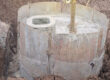
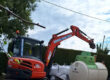
Our team excavated the affected area and removed the damaged clay gully. We then supplied and installed a new accessible gully unit together with a section of replacement pipework.
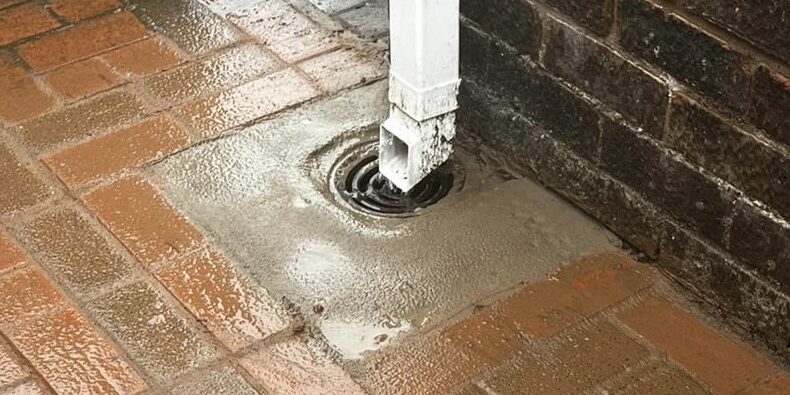
To provide additional protection and stability, the excavation was mass-filled with concrete around the new installation, helping to support the drainage system and reduce the risk of future movement.
Why its happens
Many older British homes still rely on original clay drainage components installed decades ago. As these systems age, cracks can develop, allowing wastewater to leak into the surrounding soil.
Common warning signs include:
- Damp patches on external walls
- Soft or sunken ground around gullies
- Unpleasant drainage odours
- Recurring blockages
- Cracked or damaged drainage fittings
Identifying and repairing these issues early can help prevent more extensive property damage and avoid costly repairs in the future.
Homeowners are often surprised to learn that drainage defects can contribute to damp problems. While some insurance policies may cover damage caused by escaping wastewater, the repair of the defective drainage component mey be considered a maintenance issue and its recommeded you review this in your policy. Early investigation and repair can help prevent more extensive damage and reduce the likelihood of larger repair costs in the future.
How to repair a gully
The defective clay gully and associated pipework were successfully replaced, eliminating the source of the wastewater leak and preventing further contamination of the surrounding ground and brickwork. By stopping wastewater from escaping into the soil, the repair helped reduce the risk of ongoing moisture issues affecting the property’s external walls and foundations.
The newly installed accessible gully provides a far more robust and maintainable solution than the original clay fitting. Modern gully systems are designed to withstand ground movement and everyday use while providing easier access for future inspections, cleaning and maintenance should it ever be required.
As part of the installation, the area surrounding the new gully was mass-filled with concrete to provide additional support and stability. This helps minimise the risk of future movement around the drainage connection and protects the integrity of the repair.
The homeowner was left with a reliable, long-term drainage solution that restored the performance of the system, protected the property from further wastewater leakage and provided peace of mind that the issue had been resolved correctly rather than simply patched up.
A drainage gully collects surface or wastewater from outside a property and directs it into the underground drainage system. It also helps prevent foul odours from escaping through a built-in water trap.
Signs include damp walls, foul smells, standing water, slow drainage, visible cracks or recurring blockages around the gully.
Yes. If wastewater escapes from a cracked gully, it can saturate the surrounding soil and brickwork, potentially contributing to damp problems around the property.
Minor defects may sometimes be repaired, but cracked clay gullies generally require replacement to provide a permanent and reliable solution.